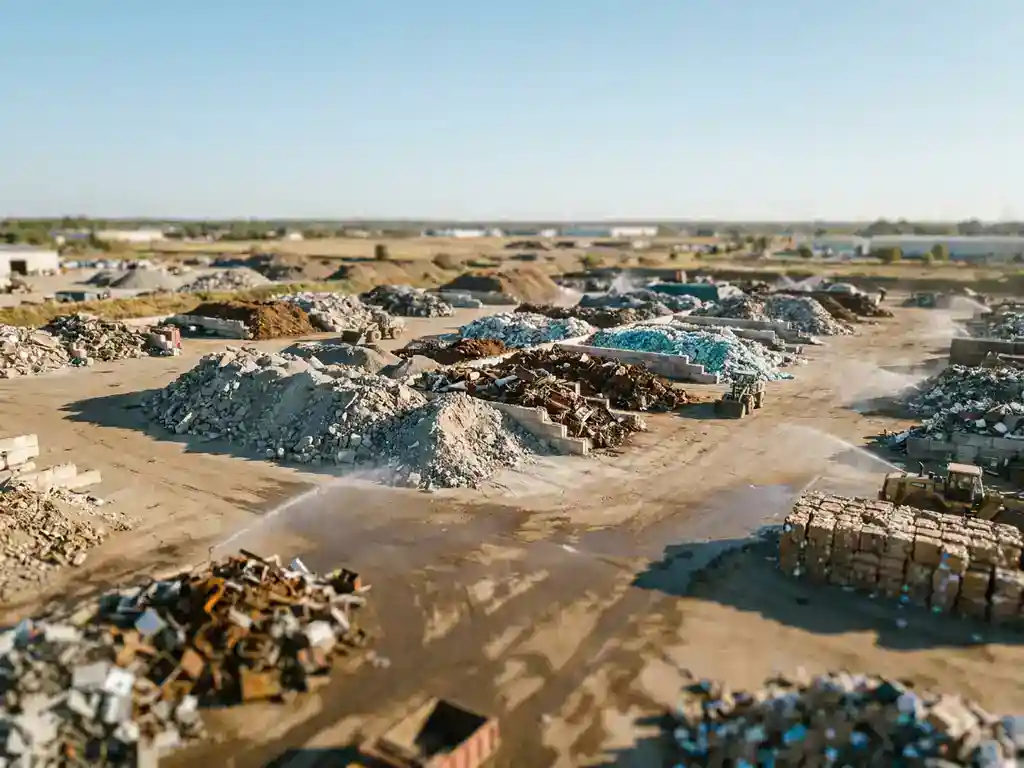
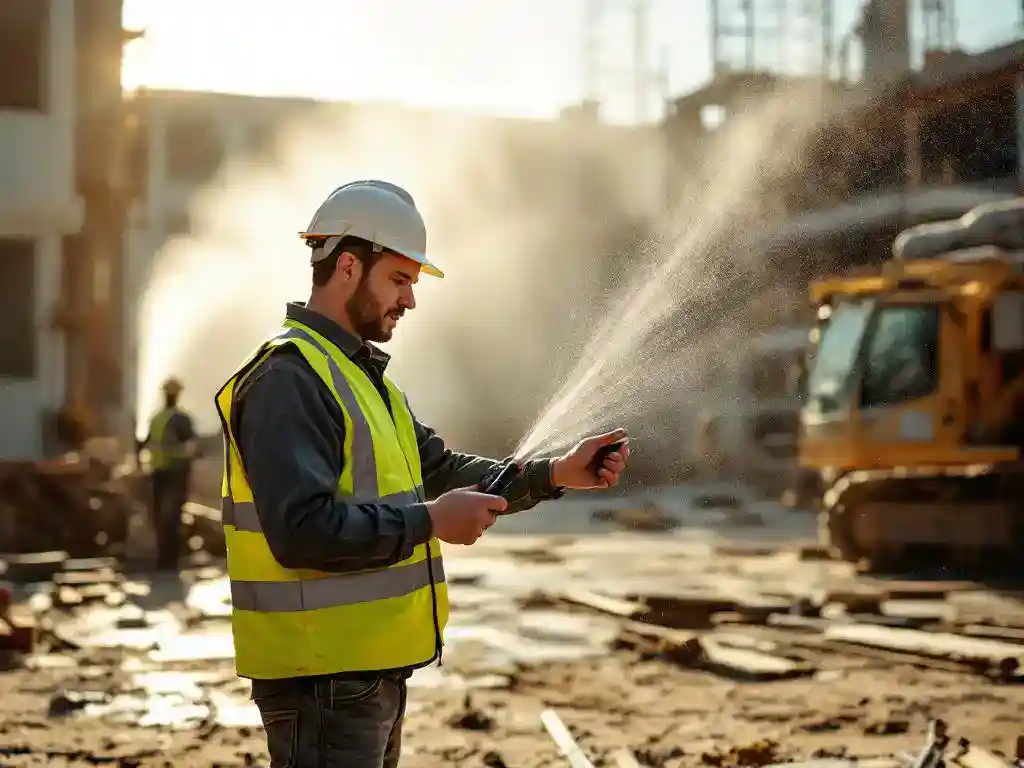
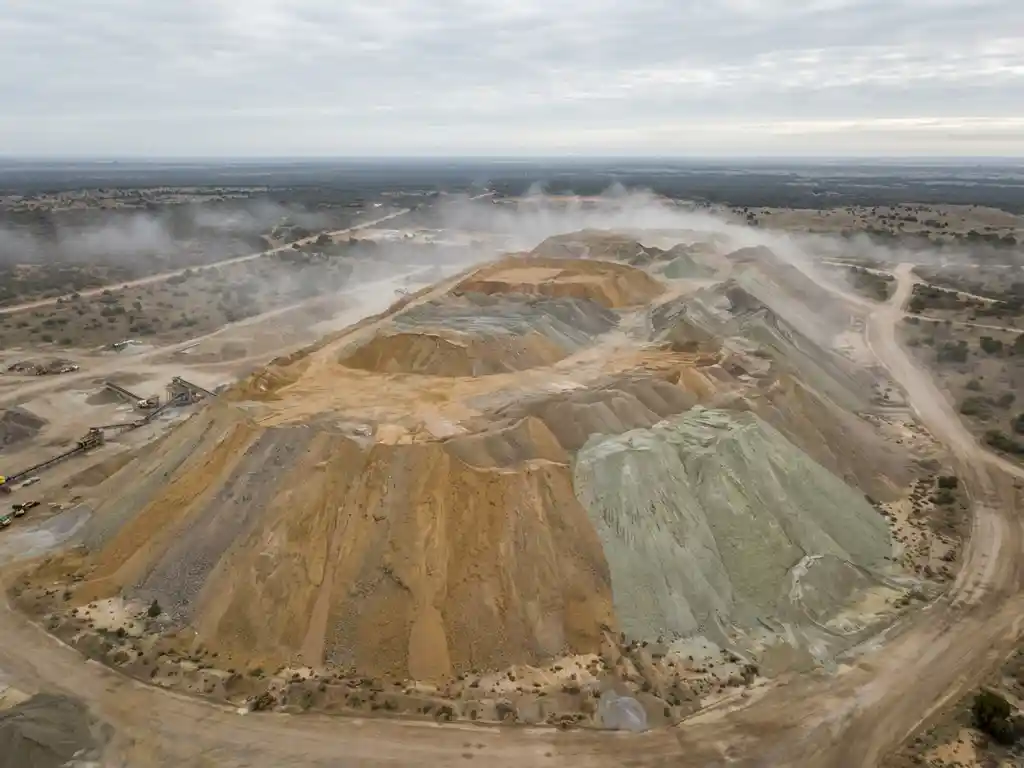
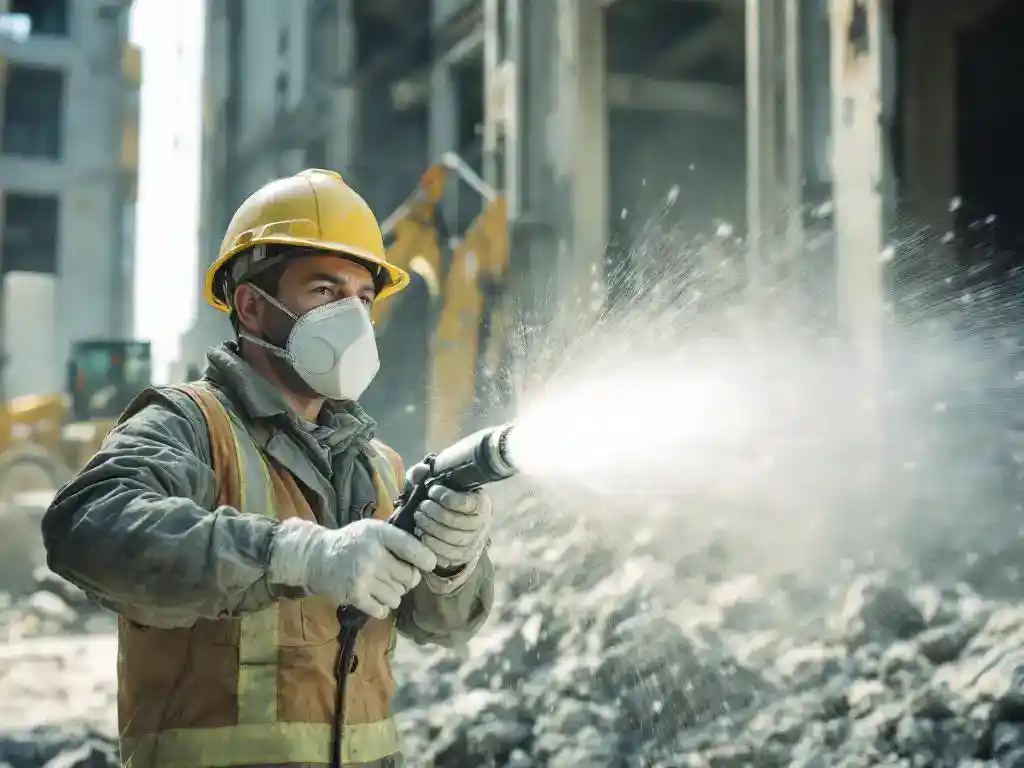
Dust pollution on construction sites arises from earthworks, material processing and the transport of building materials. You can tackle this with crust formation, foam applications and other biodegradable additives, which are more effective than traditional methods such as water spraying. The right choice depends on your project type, the type of material and environmental factors. This approach protects the health of staff and prevents complaints from local residents.
Why does so much dust accumulate on a building site?
Construction dust is mainly generated by earthworks, the transport of materials and weather conditions such as wind and drought. Every time soil is moved, materials are loaded or transport vehicles travel on unpaved roads, dust particles are released and dispersed through the air.
The main causes of dust formation during construction activities are:
- Earthworks and excavation – Moving earth and sand creates a large number of loose particles.
- Loading and unloading of building materials such as sand, gravel and rubble.
- Transport via unpaved roads and construction tracks.
- Dry weather conditions that cause dust particles to become easily airborne.
- Wind carrying dust from stockpiles and open surfaces.
Traditional methods such as spraying water often have a limited and short-lived effect. The water evaporates quickly, causing the dust problem to return. Furthermore, these methods consume large quantities of water without offering a structural solution to dust emissions at source.
What health risks do building materials pose?
Building materials cause respiratory problems, eye irritation and long-term effects upon exposure. Fine particulate matter penetrates deep into the lungs and can cause permanent damage to the respiratory systems of construction workers and local residents.
The health effects of dust exposure are:
- Acute effects: coughing, sneezing, eye irritation and respiratory symptoms.
- Chronic effects: pulmonary fibrosis, silicosis and an increased risk of respiratory tract infections.
- Increased risk of cardiovascular disease due to prolonged exposure to particulate matter.
- Exacerbation of existing conditions such as asthma and COPD.
From a legal perspective, as an employer you are obliged to create a safe workplace. The Working Conditions Act sets out clear requirements for dust control on construction sites. In the event of breaches, you risk fines and liability for any health problems suffered by your employees. Local residents may also lodge complaints with the local authority, which could lead to work being halted.
What are the most effective methods for tackling dust?
The most effective dust control combines crust formation, foam applications and atomisation with biodegradable additives. These methods bind dust particles directly at the source and are far more sustainable than simply spraying water.
| Method | Effectiveness | Advantages | Disadvantages |
|---|---|---|---|
| Water spraying | Limited | Inexpensive, quick to implement | Short-term effect, high water consumption |
| Crusting | Very high | Long-term effect, 90%+ reduction | Higher initial costs |
| Foam applications | High | Versatile, environmentally friendly | Specialist equipment required |
| Fogging with additives | High | 70–80% reduction in water consumption | Technical knowledge required |
Crust formation works by creating a protective layer over stockpiles and open areas. This crust prevents dust particles from becoming airborne, even in strong winds. Foam applications are ideal for dynamic situations such as loading and unloading, where the foam immediately binds dust particles whilst work is in progress.
Spraying with additives is up to ten times more effective than plain water, as the additives reduce surface tension. This allows the water droplets to adhere better to dust particles and ensures the effect lasts longer.
How do you choose the right pest control solution for your project?
The correct choice depends on the project type, material type, weather conditions and budget. For static situations such as stockpiles, crust formation is ideal, whilst dynamic processes are better suited to foam or atomisation applications.
Follow these steps to choose the best solution:
- Analyse the dust sources: Identify where most dust is released.
- Determine the material type: Fine materials require a different approach to coarse materials.
- Assess the environmental factors: wind speed, humidity and temperature.
- Set priorities: health, environmental impact or cost-effectiveness.
- Test the solution: Start with a small-scale trial.
Different recommendations apply to different construction scenarios:
- Earthworks: Spraying with additives whilst excavating.
- Stockpiles: Crust formation for long-term protection.
- Transport routes: Road dust control using hygroscopic additives.
- Loading/unloading: Foam applications during active operations.
Find out which dust control solutions best suit your specific situation. Specialised approaches are available for various industrial sectors, taking into account the unique challenges of each field.
How we help with dust control on construction sites
We offer a fully managed solution for dust control on construction sites using biodegradable additives and bespoke systems. Our solutions reduce water consumption by 70–80 per cent and are completely safe for people and the environment.
Our advantages for construction projects:
- Proven effectiveness: Over 90% reduction in dust emissions from stockpiles.
- Sustainable products: 100% biodegradable additives free from hazardous chemicals.
- Cost-effective: Up to 80 per cent less water consumption than traditional methods.
- Flexible application: From small-scale construction projects to major infrastructure works.
- Full service: Consultancy, delivery, installation and ongoing support.
- Rapid results: Immediate impact following the implementation of our solutions.
Start small with a trial on your construction site and experience the difference for yourself. Our experts will help you choose the best approach for your specific situation.
Would you like to know how we can solve your dust problem? Find out more about our expertise or contact us directly for a no-obligation consultation.
Related Articles
- How does dust pollution from coal differ from that caused by biomass?
- How does dust control work at transhipment points in a seaport?
- Why is dust control for dry bulk different from that for other materials?
- What are the symptoms of inhaling too much dust?
- What can you do about dust that blows off a rubbish tip onto the road?