Steel companies are working hard to reduce dust emissions for various reasons. First and foremost, reducing dust emissions helps to protect the environment by limiting air and soil pollution. This, in turn, protects natural ecosystems and biodiversity. Furthermore, dust control is vital for the health and safety of employees, as exposure to dust particles can lead to respiratory irritation and other health problems.
Regulatory compliance is a crucial factor for steel companies. To avoid fines and legal consequences, the steel industry must meet strict environmental standards. By reducing dust emissions, steel companies also visibly demonstrate their commitment to issues such as corporate social responsibility and sustainability. This can strengthen their reputation and increase the trust of customers, investors and the wider community.
Finally, reducing dust emissions and improving process efficiency can lead to cost savings in the long term. This is because material wastage is reduced and the service life of installations is extended; in short, it contributes to more efficient business operations. In conclusion, we can establish that steel companies have various valid reasons for actively reducing dust emissions. This yields significant benefits for both the environment and the health of employees. Compliance with regulations also enhances a company’s reputation and is more cost-effective.
Various techniques can be applied to reduce dust emissions in the steel industry:
1. Dust extraction systems and filtration:
Installation of advanced dust extraction systems at various points in the production process to remove the dust particles released by means of extraction. Air filters remove fine particles from the extracted air before it is released back into the atmosphere.
2. Atomisation systems:
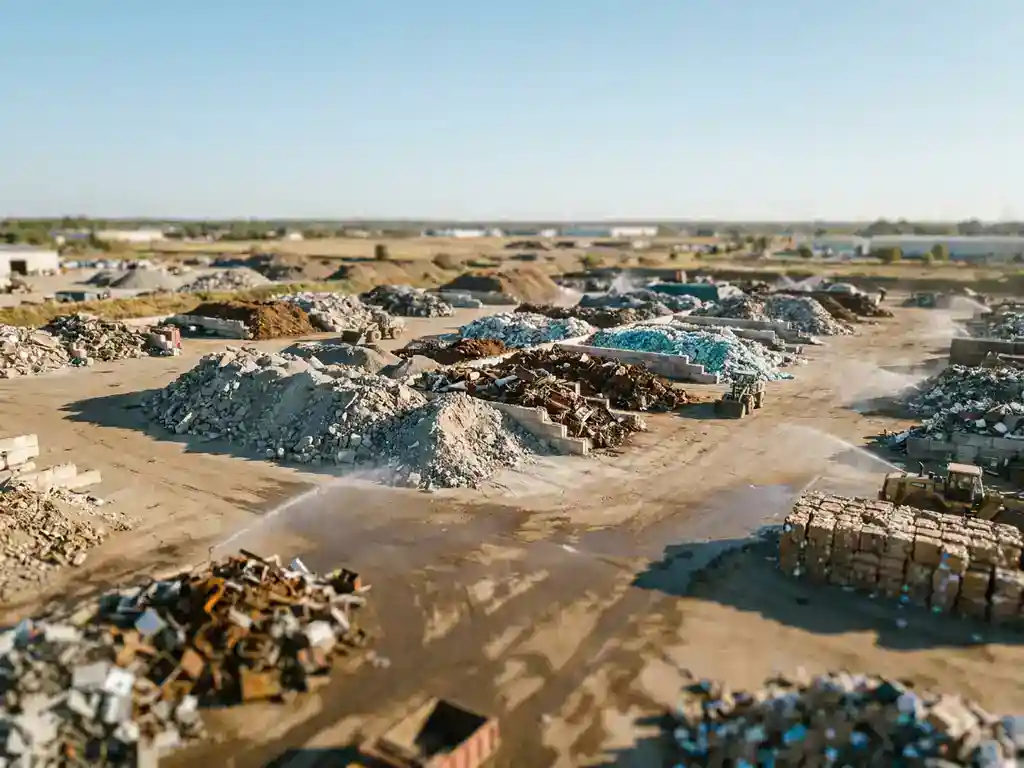
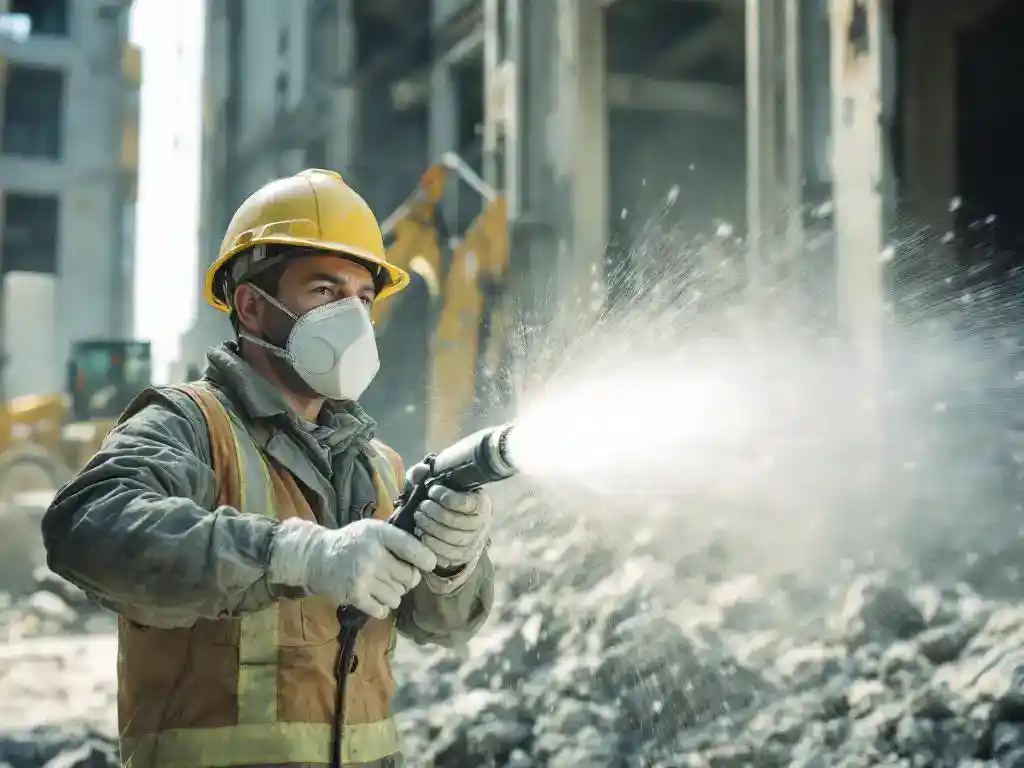
Implementation of misting systems around dust sources to bind and settle dust particles, thereby preventing them from entering the atmosphere
3. Covering the storage area with a crust former:
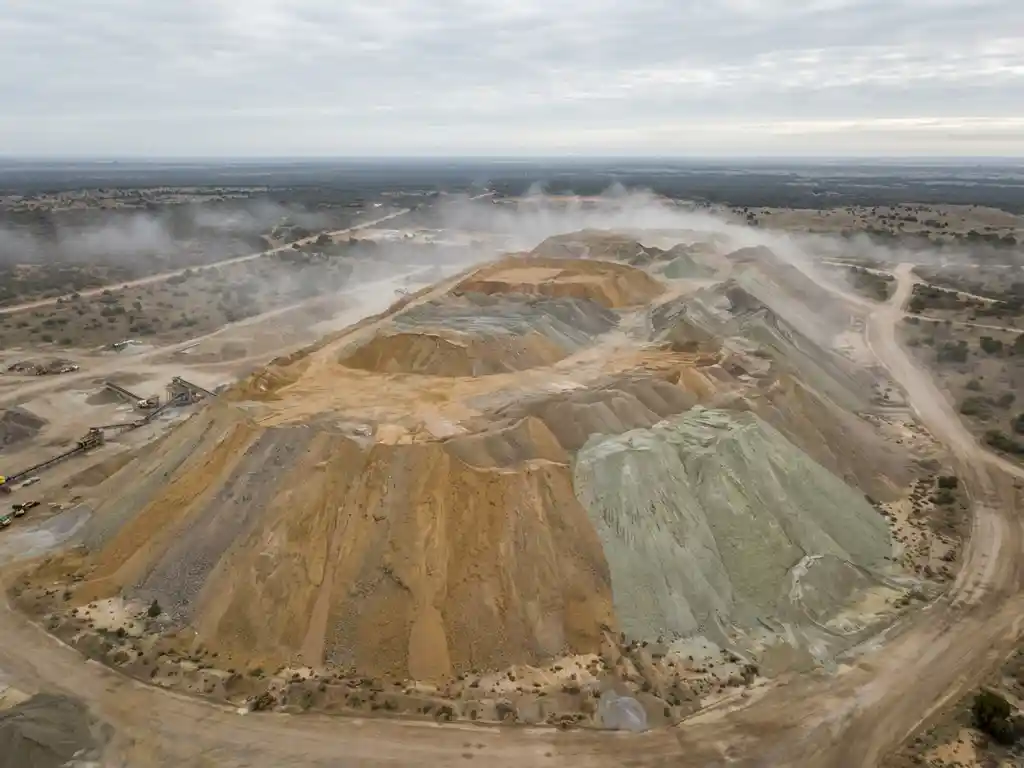
Applying a crust former to stored dry bulk materials such as ores and coal to reduce exposure to the atmosphere and thereby minimise the risk of dust formation.

4. Dry foam:
Use of dry foam technology on conveyor belts to reduce dust formation. This involves applying foam to materials, causing the small dust particles to bind to the larger ones, thereby remaining on the conveyor belts and thus limiting the spread of dust particles
5. Dust control programmes:
Implementation of comprehensive dust control programmes, including regular inspections and maintenance of equipment to identify and address leaks and potential sources of dust.
6. Awareness-raising and training:
Training staff to raise their awareness of the impact of dust emissions and to equip them with the correct procedures to minimise emissions. By applying a combination of these techniques and maintaining strict compliance with regulations and standards relating to dust emissions, the steel industry can reduce the impact of dust on the environment and on workers’ health, whilst at the same time complying with environmental legislation and regulations.