Dust control during demolition work requires a targeted approach that tackles dust generation directly at source. Effective methods such as spraying with additives, foam applications and crust formation can reduce dust emissions by more than 90 per cent. The correct choice depends on the type of material, the weather conditions and the scale of the project. Effective dust control not only protects workers’ health but also prevents nuisance to local residents and ensures compliance with environmental legislation.
Why does demolition work generate so much dust?
Demolition work produces large quantities of dust through the mechanical breaking and crushing of building materials. Concrete, masonry and asphalt break down into small particles that are easily carried away by the wind. This dust generation during demolition is exacerbated by dry weather conditions and wind.
Different building materials behave differently during demolition. Concrete and masonry create fine dust that lingers in the air for a long time, whilst materials containing asbestos release particularly hazardous fibres. Old buildings often contain materials that produce more dust during demolition than modern structures.
The demolition methods used also determine the amount of dust generated. Mechanical demolition using crushers and excavators causes more dust emissions than controlled demolition. Wind can disperse dust particles over long distances, causing the problem to spread to surrounding areas and residential neighbourhoods.
What health risks do demolition materials pose?
Demolition dust poses a direct risk to the health of workers and local residents due to respiratory problems, skin irritation and long-term effects. Fine particulate matter penetrates deep into the lungs and can cause chronic respiratory conditions. Workers who are regularly exposed to demolition dust without adequate protection are at increased risk of lung diseases.
The most common acute effects are coughing, sneezing and eye irritation. Prolonged exposure can lead to more serious conditions, such as silicosis, particularly during the demolition of concrete structures. Materials containing asbestos in older buildings pose an additional hazard due to carcinogenic fibres.
Local residents experience nuisance from dust settling on homes, cars and gardens. People with existing respiratory conditions, such as asthma, are particularly vulnerable to dust emissions. Children and the elderly are at increased risk of health problems due to their more sensitive respiratory systems.
What are the most effective methods for dust control during demolition?
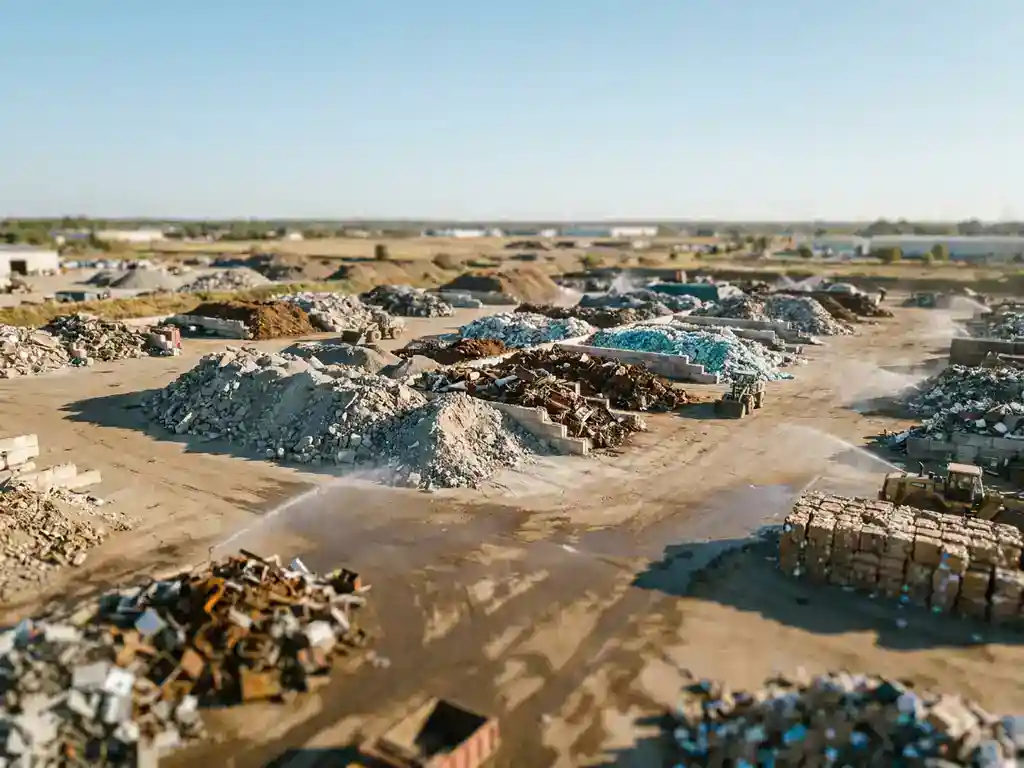
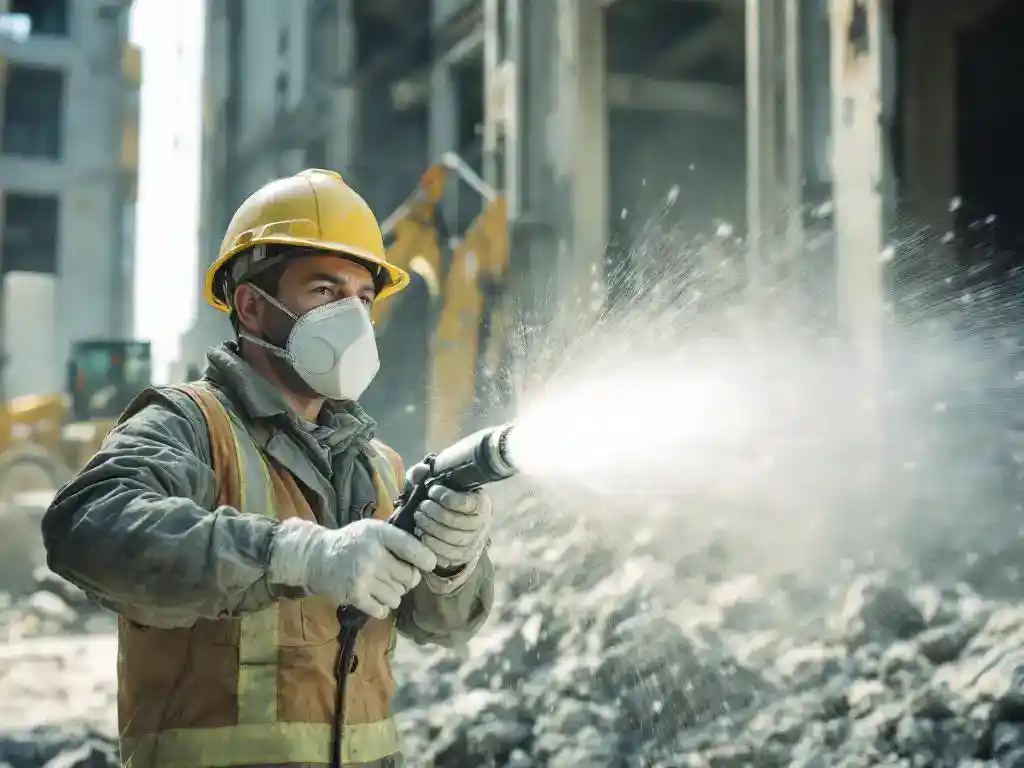
Water misting, foam applications and crust formation are the most effective techniques for dust control during demolition work. Misting with additives binds dust particles directly at source and can reduce water consumption by 70–80 per cent compared with traditional sprinkler systems. Foam applications work particularly well when demolishing dusty materials.
| Method | Effectiveness | Best use | Water consumption |
|---|---|---|---|
| Fogging with additives | 85-95% | General demolition work | Low |
| Foam formation | 90-95% | Dusty materials | Intermediate |
| Crusting | 90%+ | Preventative treatment | Low |
| Mechanical screening | 70-85% | Limited spaces | None |
Mechanical containment using screens and tarpaulins helps to limit the spread of dust, but is less effective than chemical methods. A combination of different techniques often yields the best results, with the choice depending on the type of demolition work and environmental factors.
Modern dust control solutions utilise biodegradable additives that are safe for people and the environment. These methods are more effective than traditional water-spraying systems and meet strict environmental requirements for various industrial sectors.
How do you choose the right dust control method for your demolition project?
The choice of the appropriate dust control method depends on the project size, the location, the weather conditions and the type of material being demolished. Large-scale demolition projects in urban areas require different approaches to small-scale works in rural settings. Weather conditions such as wind and humidity determine which method is most effective.
Start by analysing your specific situation:
- Types of building materials (concrete, masonry, asphalt)
- Environmental sensitivity (homes, schools, hospitals)
- Available space for equipment
- Weather forecast during the demolition period
- Budget for dust control measures
For projects near sensitive locations such as schools or hospitals, the strictest measures are required. In such cases, combine fogging with mechanical screening for maximum protection. In dry weather conditions, additives that increase humidity are particularly effective.
Test the chosen method in advance on a small part of the project. This helps to optimise settings and prevent problems during the main demolition phase. Take into account local environmental legislation and any licensing requirements for dust control measures.
How we help with dust control during demolition work
We offer comprehensive solutions for dust control during demolition projects, from analysis and consultancy through to installation and ongoing support. Our biodegradable additives reduce dust emissions by more than 90 per cent and are completely safe for people and the environment. With our in-house laboratory, we develop solutions that are perfectly tailored to your specific demolition project.
Our approach to demolition work:
- Project analysis: Assessment of materials, environment and weather conditions
- Bespoke solutions: Choose from atomisation, foam or crust formation based on your specific situation
- Installation and training: Full set-up of equipment and instruction for your team
- 24/7 support: Immediate assistance with queries or adjustments during the project
- Sustainable products: Biodegradable additives free from harmful chemicals
Would you like to know which dust control method is best suited to your demolition project? Find out more about our expertise or get in touch for a no-obligation consultation and project analysis.